In 2026, the dry weather conditions of recent years continue. Currently, precipitation levels in the Stendal district are below long-term averages. As a result, it is necessary to protect groundwater supplies, which is why the district is issuing a general order. Effective June 27 and valid until September 30 or until further notice, a ban on water withdrawal from surface waters is in effect, and the use of groundwater is subject to time restrictions.
“It remains our responsibility to manage water resources carefully and with foresight to prevent groundwater levels from dropping further,” Patrick Puhlmann urges the residents of the Stendal district. “Since the lack of rainfall and the persistent dry spells of recent years are expected to continue into 2026, this approach is unavoidable,” the district administrator explains. The lower water authority is constantly monitoring the water levels at the groundwater monitoring stations.
Specifically, as was the case most recently in 2025, it is no longer permitted to withdraw water from surface water bodies using technical equipment. This applies both to use by property owners and adjacent residents and to activities carried out under permits granted under water law. It is important to note that it is not only farmland, flowers, and vegetable crops that are at risk of drying out, but also the animals and plants living in the water bodies, which cannot survive without water. Especially when extracting water from small streams and ditches, the threshold is quickly exceeded, leaving nothing for the living creatures in or near the water and potentially causing significant damage.
The use of efficient irrigation technology in agriculture remains a possibility
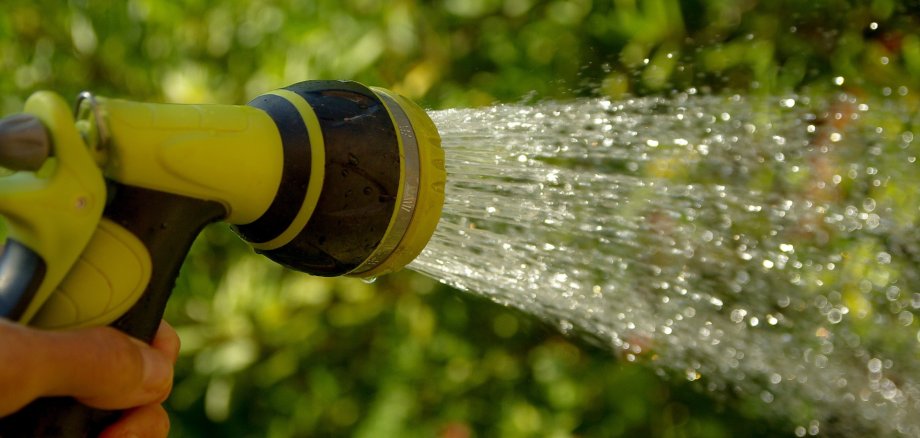
Furthermore, it is no longer permitted to draw water from private wells and the public drinking water supply between 10 a.m. and 7 p.m. each day for the purpose of watering public and private green spaces and sports facilities. During this time, a large portion of the water used for irrigation would evaporate due to solar radiation. “This inefficient use of water leads to excessive strain on groundwater and surface water, yet the water users derive little benefit from it,” explains Puhlmann.
Irrigation of forest and agricultural land using efficient irrigation technology—such as systems with low-level, low-water-loss application methods like drip irrigation—remains permitted. Similarly, sports facilities may be watered for competitions, such as tennis or horseback riding. The restriction explicitly does not apply to water features, such as the one on Stendal’s market square. “This is a closed system; children are welcome to play here. This also applies to targeted cooling measures at the kindergarten,” the district administrator continued.
Anyone who violates this general order may face a fine of up to 50,000 euros on a case-by-case basis. “The Stendal district conducts inspections as part of field visits or in response to reports from other authorities or citizens. These inspections are carried out by staff from the Environmental Agency,” explains Puhlmann. At the same time, he appeals to the public: “We ask all citizens to use water sparingly and sustainably. Our focus is on water conservation, not on imposing fines.”